
Brazil Economy Updates Today: What Investors Need to Know
Which indicators actually move Brazil's markets, who publishes them, and how to read a daily briefing without getting lost.
Which indicators actually move Brazil's markets, who publishes them, and how to read a daily briefing without getting lost.
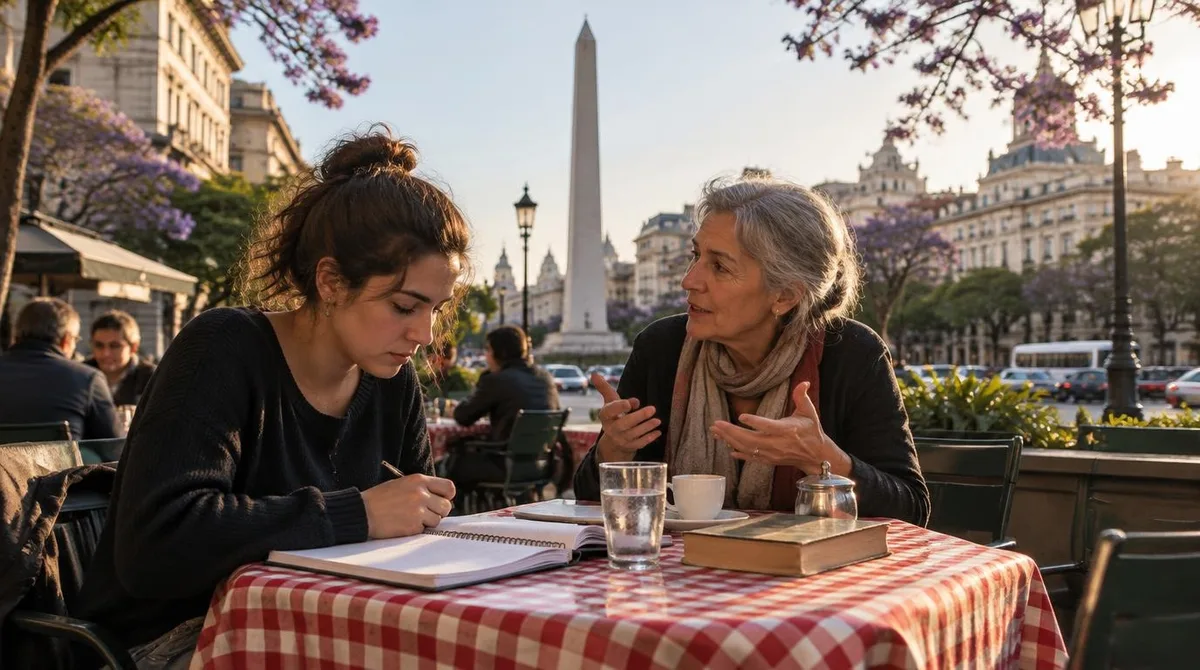
Nearly 635 million people speak Spanish, per the Cervantes yearbook, and Latin American Spanish shifts by country: seseo pronunciation, the Argentine voseo, and one shared standard guarded by 23 academies since 1951.
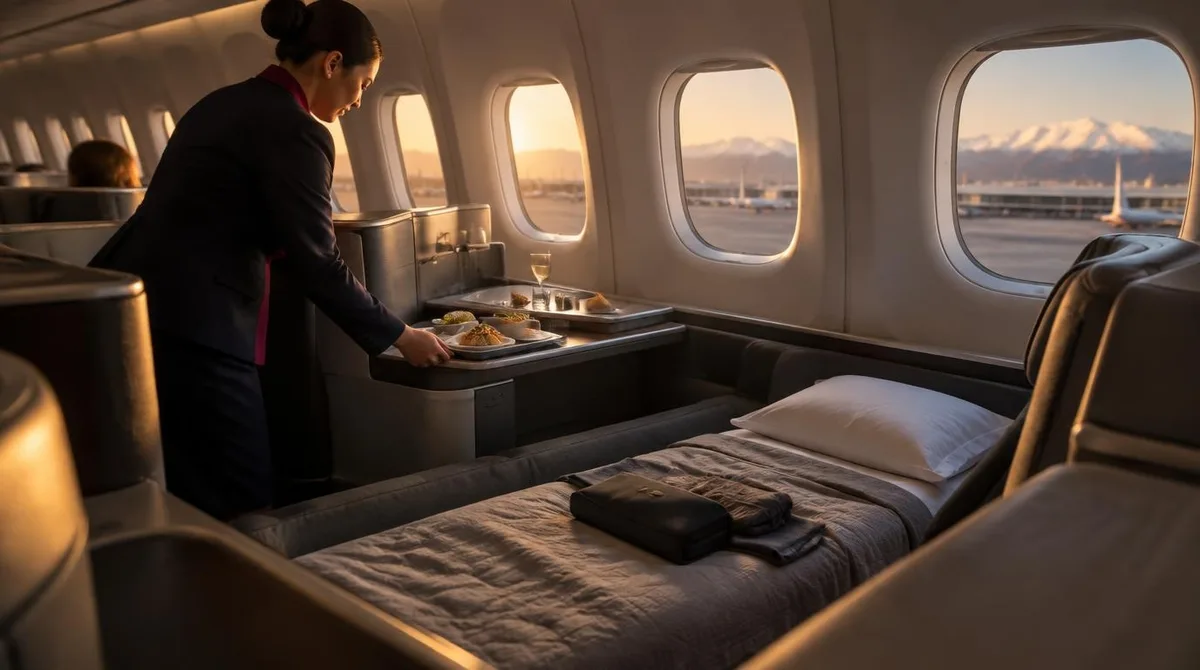
The cabin, the service flow, and the routes where the seat earns its price.
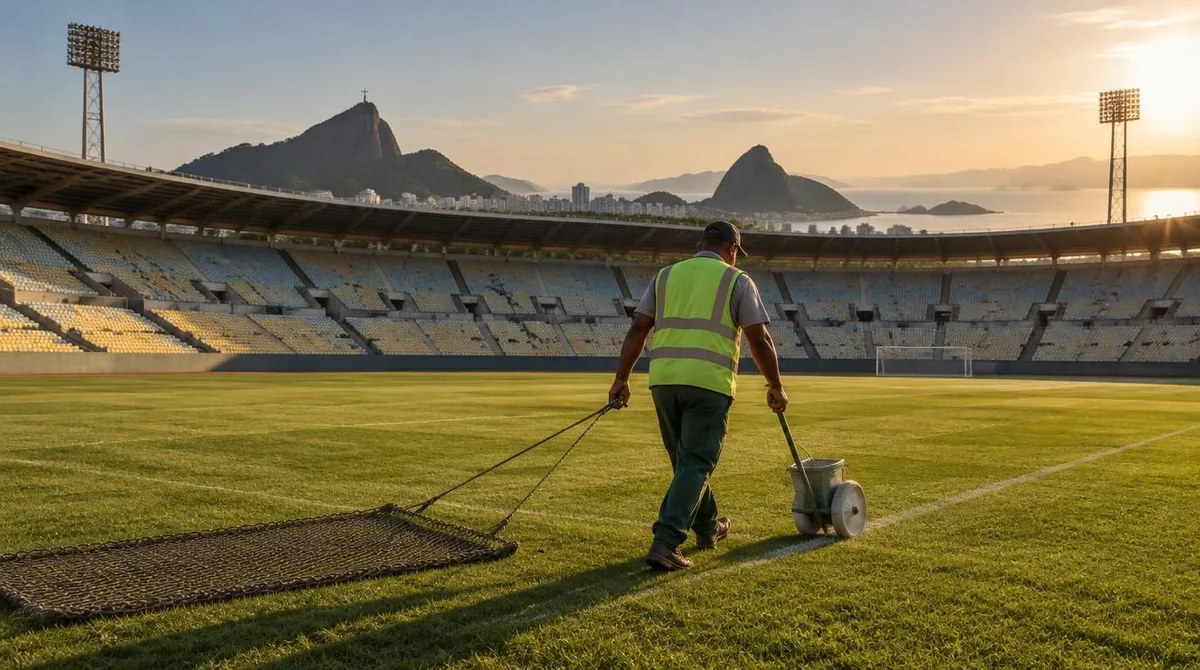
Brazil's 2027 Women's World Cup spans eight host cities and 64 matches from 24 June to 25 July. FIFA's hosting data shows what changes for each city.
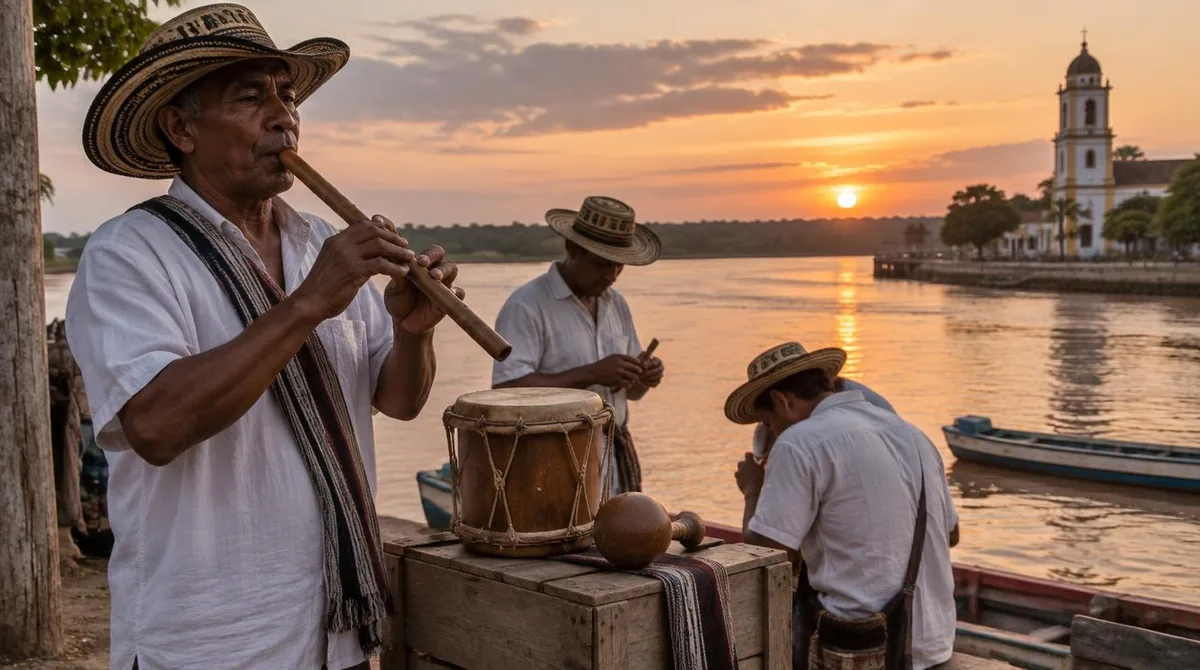
Born on Colombia's Caribbean coast, cumbia became Latin America's shared rhythm, rewired by Mexican sonideros and Buenos Aires barrios. Colombia now guards the root: Law 1701 of 2013 made the El Banco festival national heritage, with a 42nd edition set for 2026.
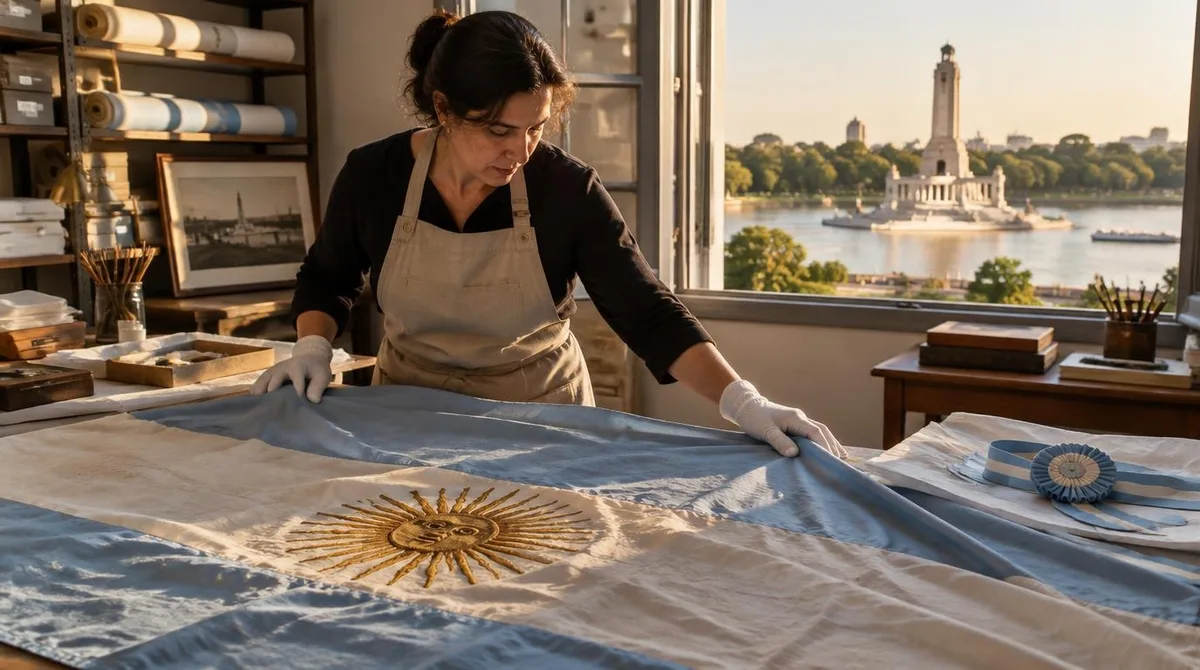
Argentina's flag began with Manuel Belgrano's improvised banner at Rosario in 1812, won the Congress of Tucumán's approval in 1816, and gained the thirty-two rayed Sun of May in 1818. Decrees still govern every stitch.
A starting shelf of ten films from Mexico, Argentina and Brazil, chosen for where they take a first-time viewer.
El Tri against Los Cafeteros: where the matchup began, the 2001 Copa América final that changed it, and why new fans should circle this fixture.
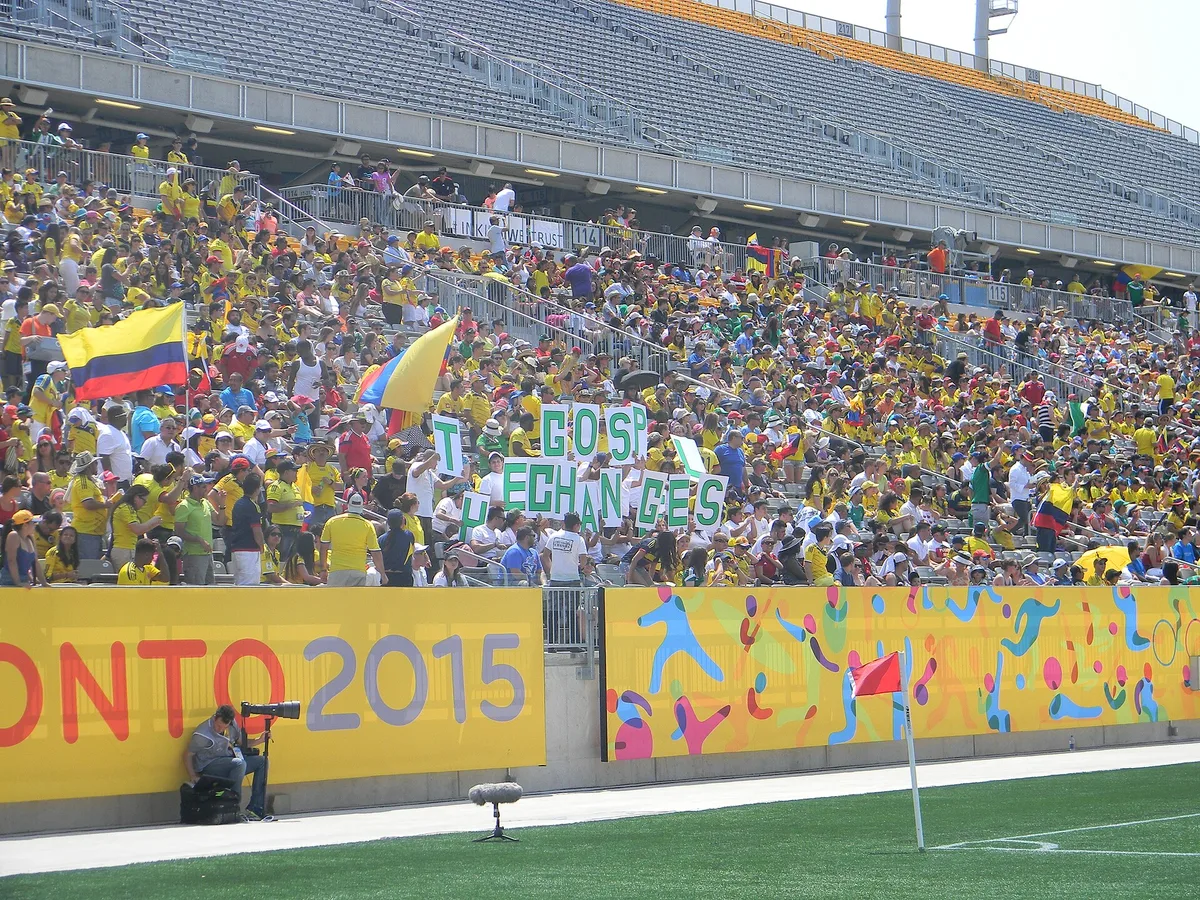
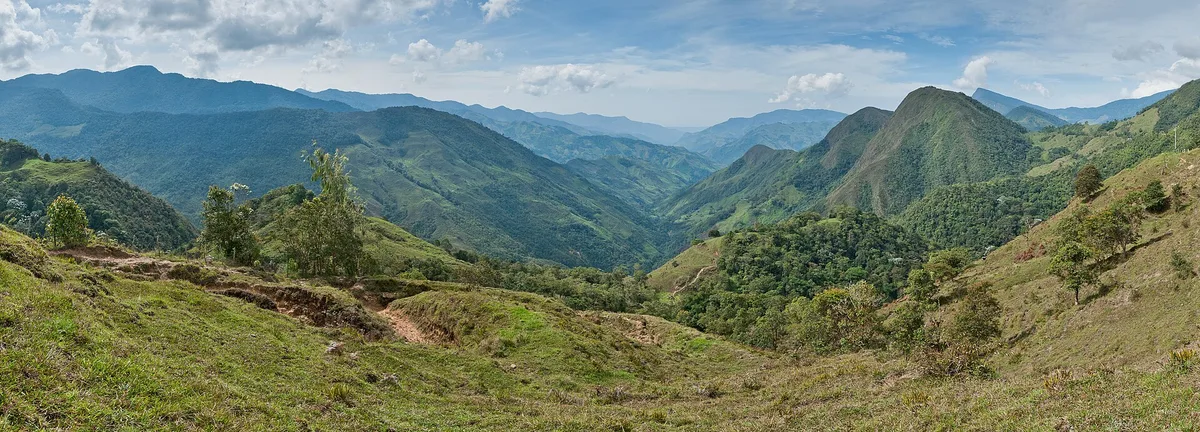
El Tri against Los Cafeteros: where the matchup began, the 2001 Copa América final that changed it, and why new fans should circle this fixture.
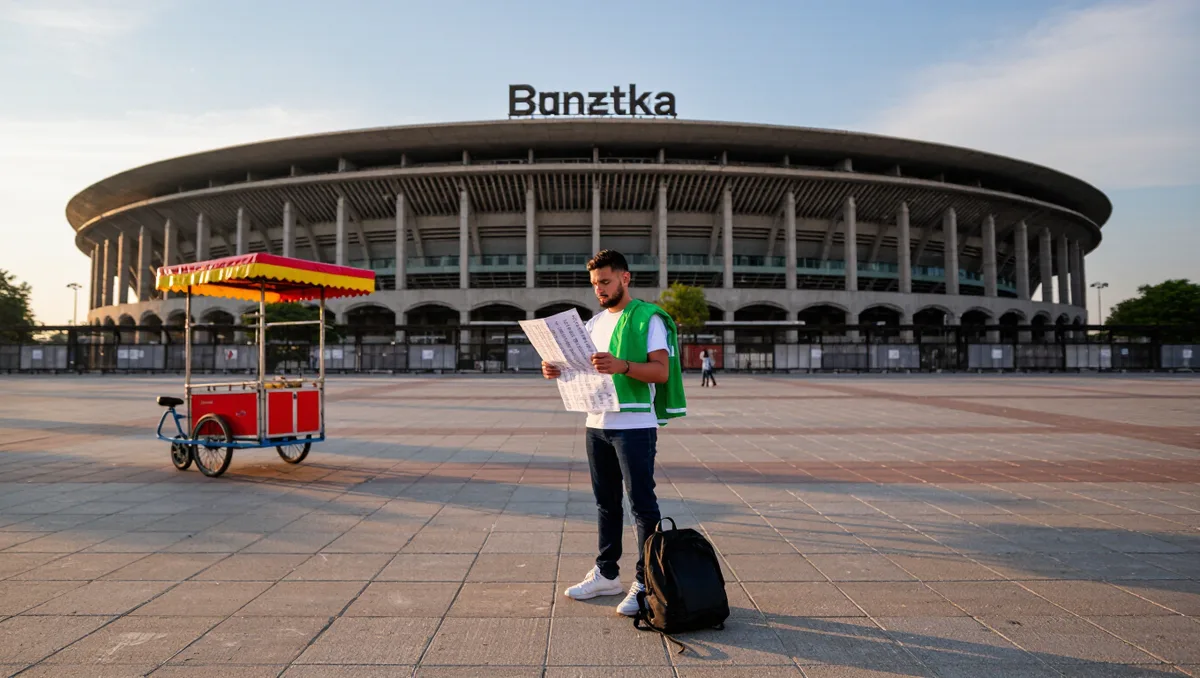
A record 6,810,966 spectators filled World Cup stadiums in 2026, and Mexico hosted 13 matches. A plain guide to the 48-team format and the travel regions behind every kickoff, plus Mexico's November quarterfinal.
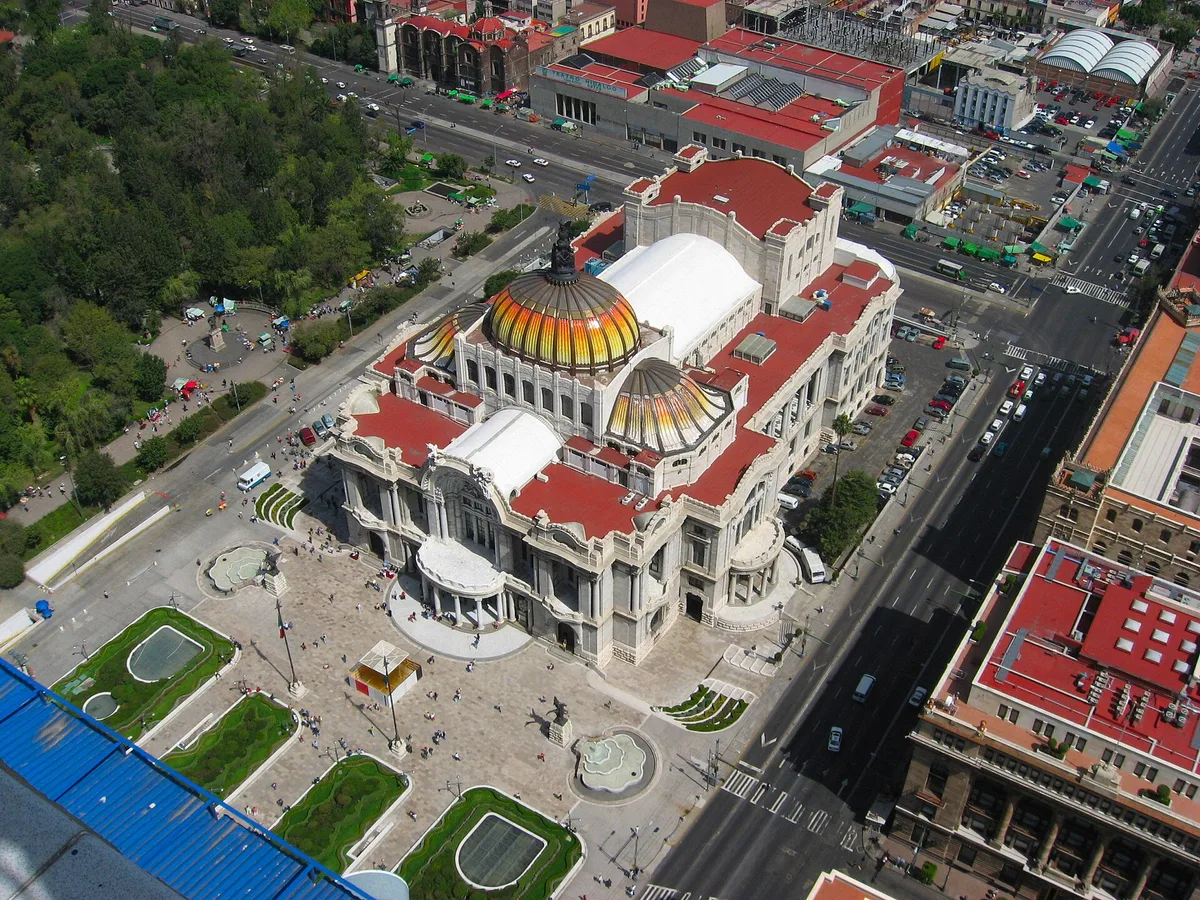
Where to stay, what to eat, and how to move through the largest city in North America: a calm, practical first visit to Mexico City, from the Zócalo to Xochimilco.
Which indicators actually move Brazil's markets, who publishes them, and how to read a daily briefing without getting lost.
Argentina's flag began with Manuel Belgrano's improvised banner at Rosario in 1812, won the Congress of Tucumán's approval in 1816, and gained the thirty-two rayed Sun of May in 1818. Decrees still govern every stitch.
Seven countries, one spine: how the world's longest continental range shapes weather, cities and life at 4,000 metres.
Brazil's 2027 Women's World Cup spans eight host cities and 64 matches from 24 June to 25 July. FIFA's hosting data shows what changes for each city.
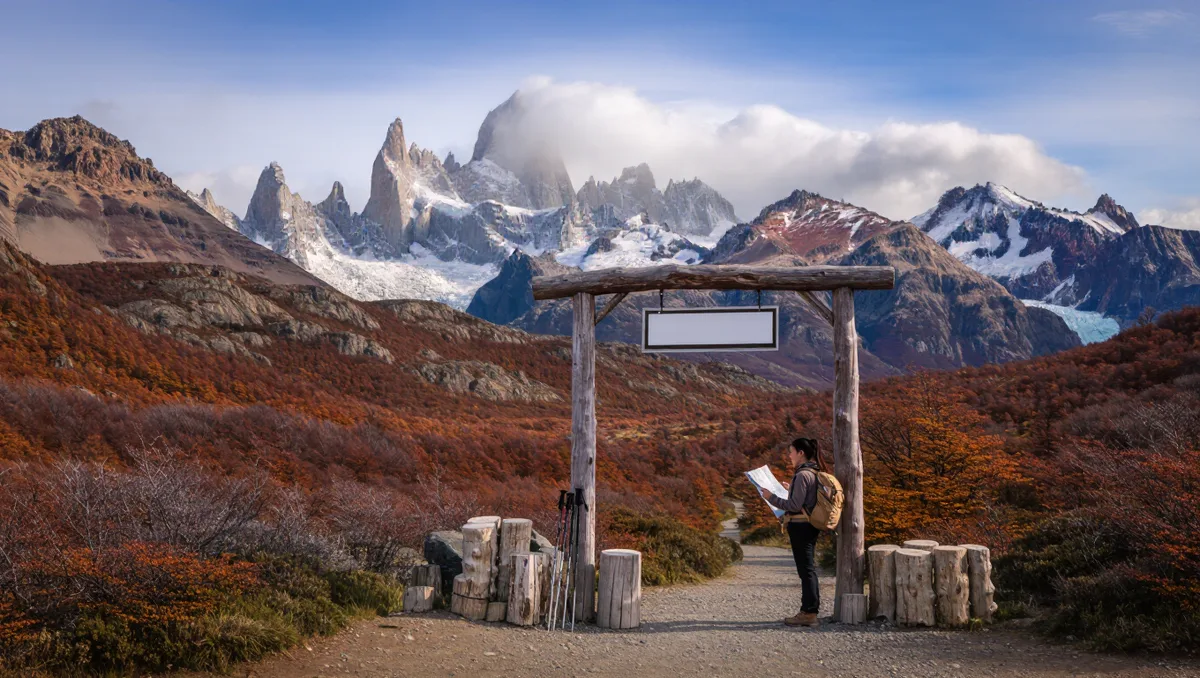
The country is the size of a continent. Here is how first-time visitors can pick a route that fits the calendar, not the wish list.
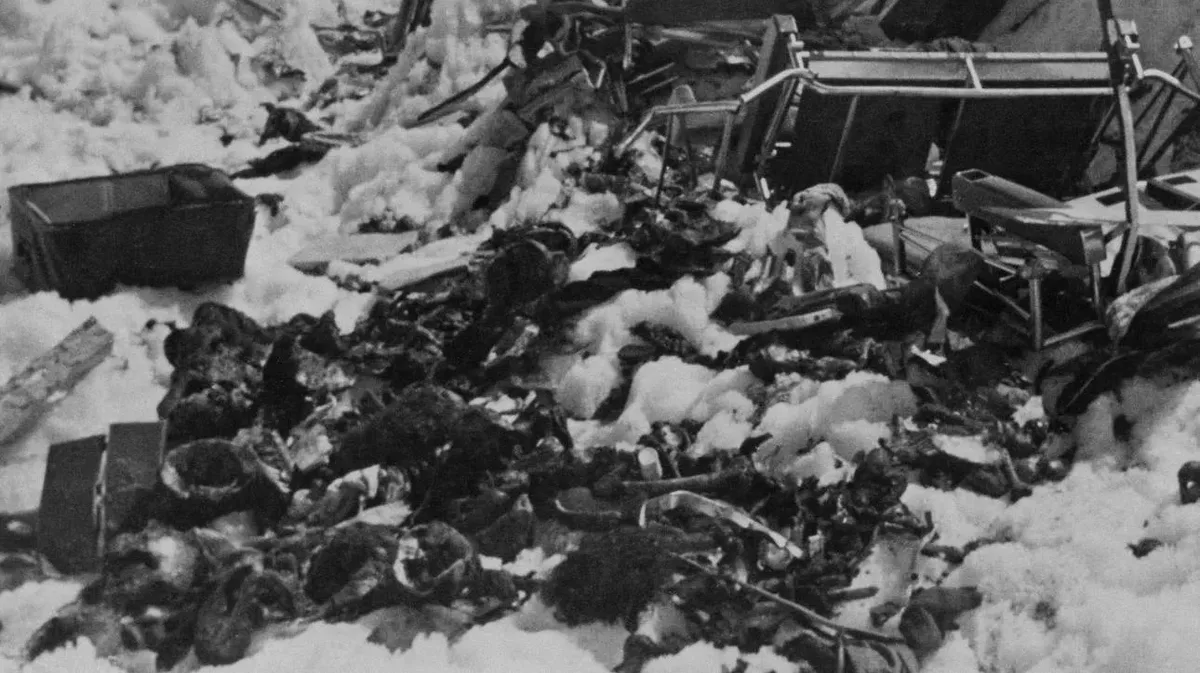
A measured retelling of the survival story that still fascinates the world, set against the mountains that made it.
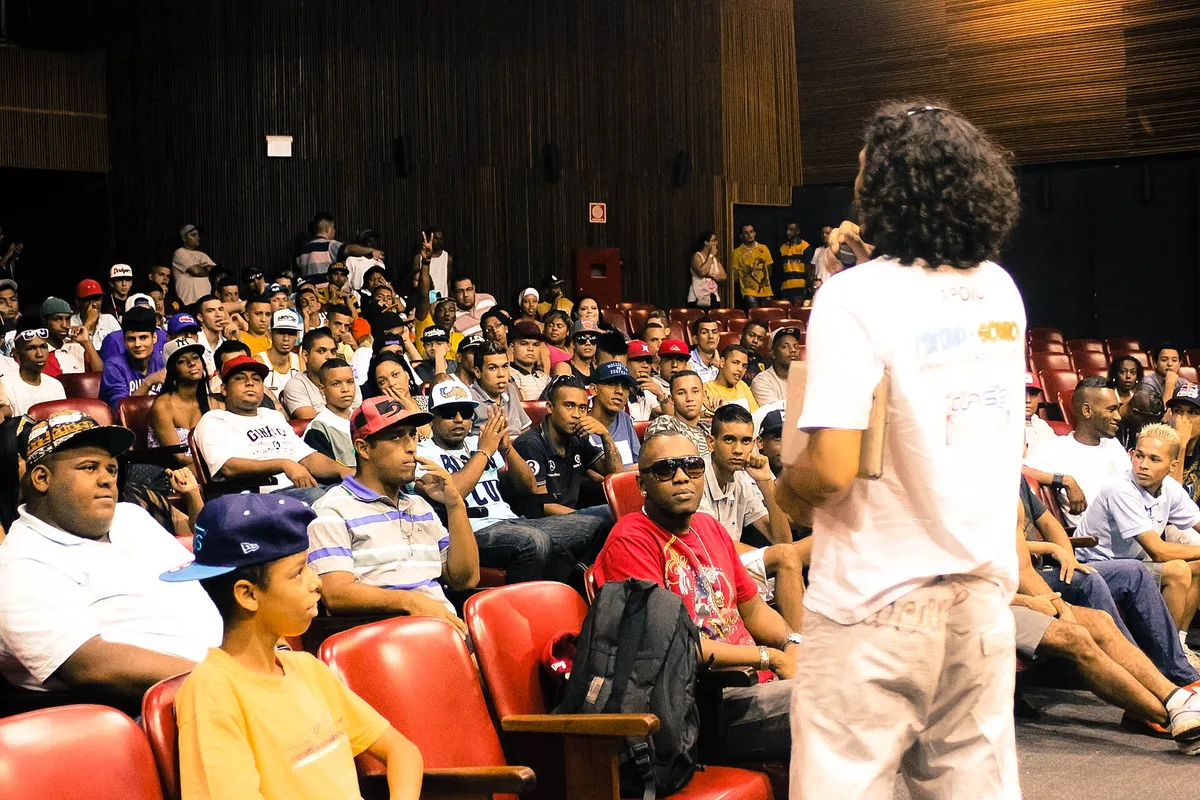
How funk carioca grew from Rio's favela parties into a global pop template: its Miami bass roots, the tamborzão beat, and the subgenres producers borrow today.
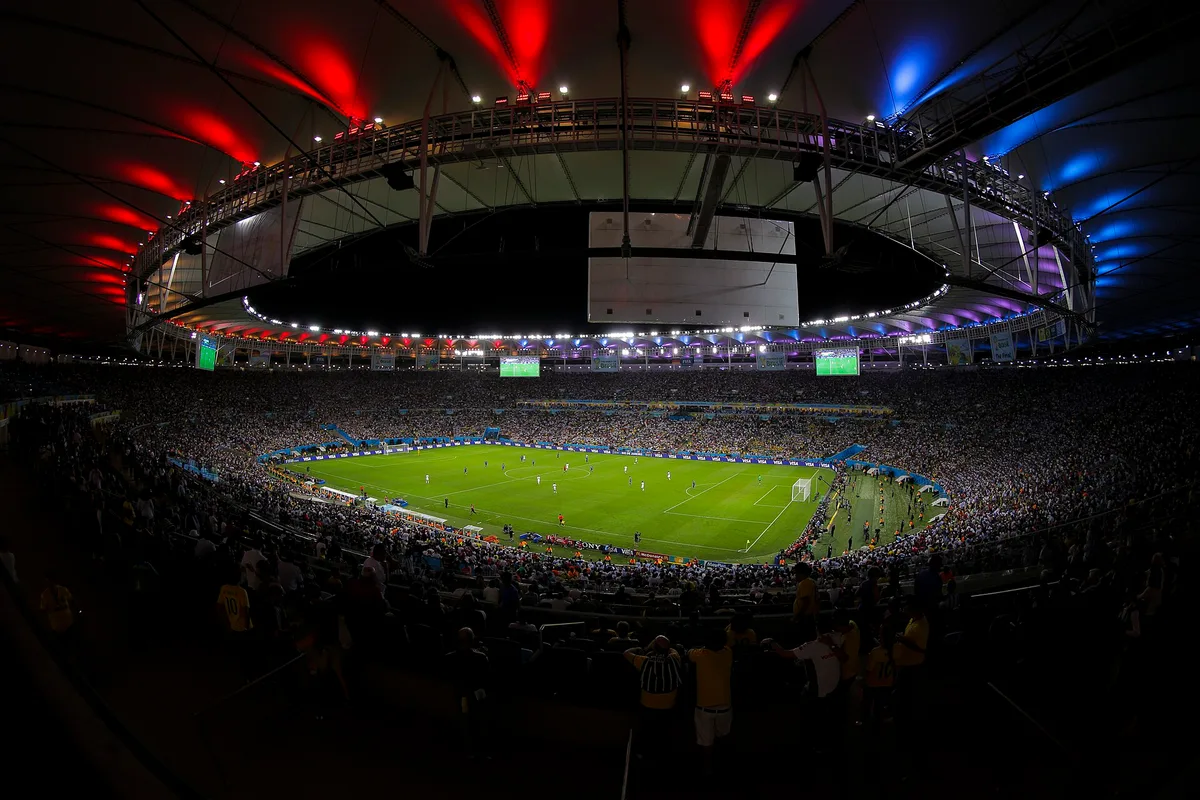
How one tournament came to carry the hopes, the grief and the pride of a nation of more than 45 million people.
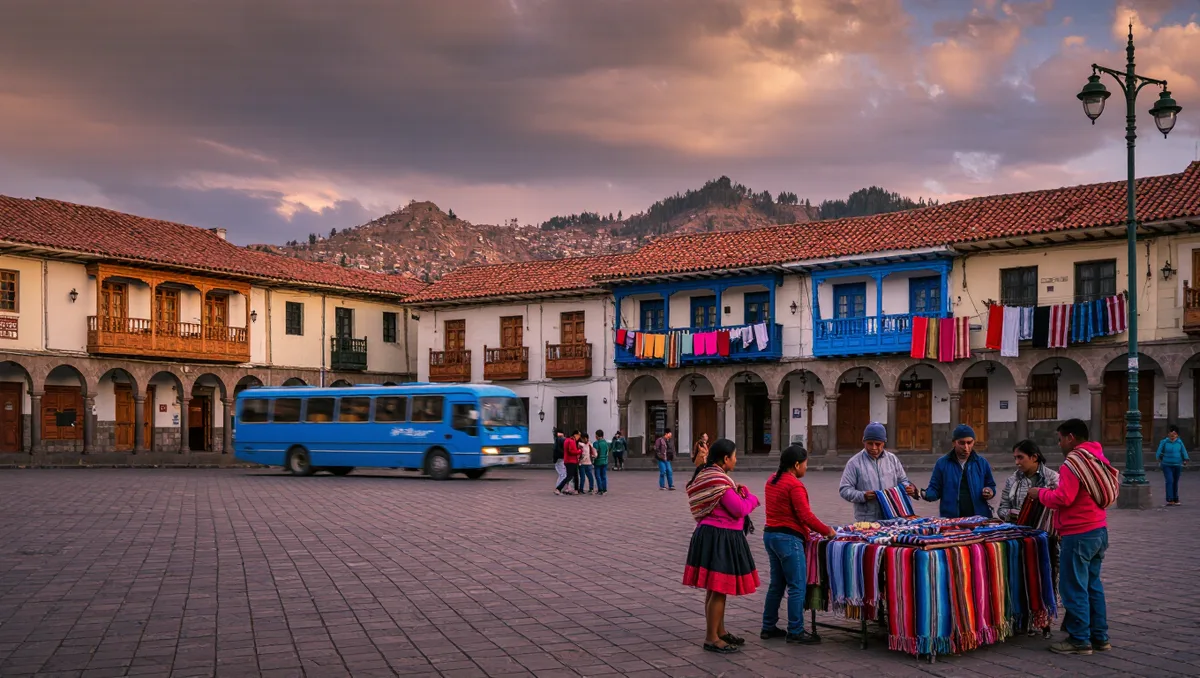
In a civilization without writing, cloth carried the record — and it still does, from Peru's southern coast to the Bolivian altiplano.
The cabin, the service flow, and the routes where the seat earns its price.
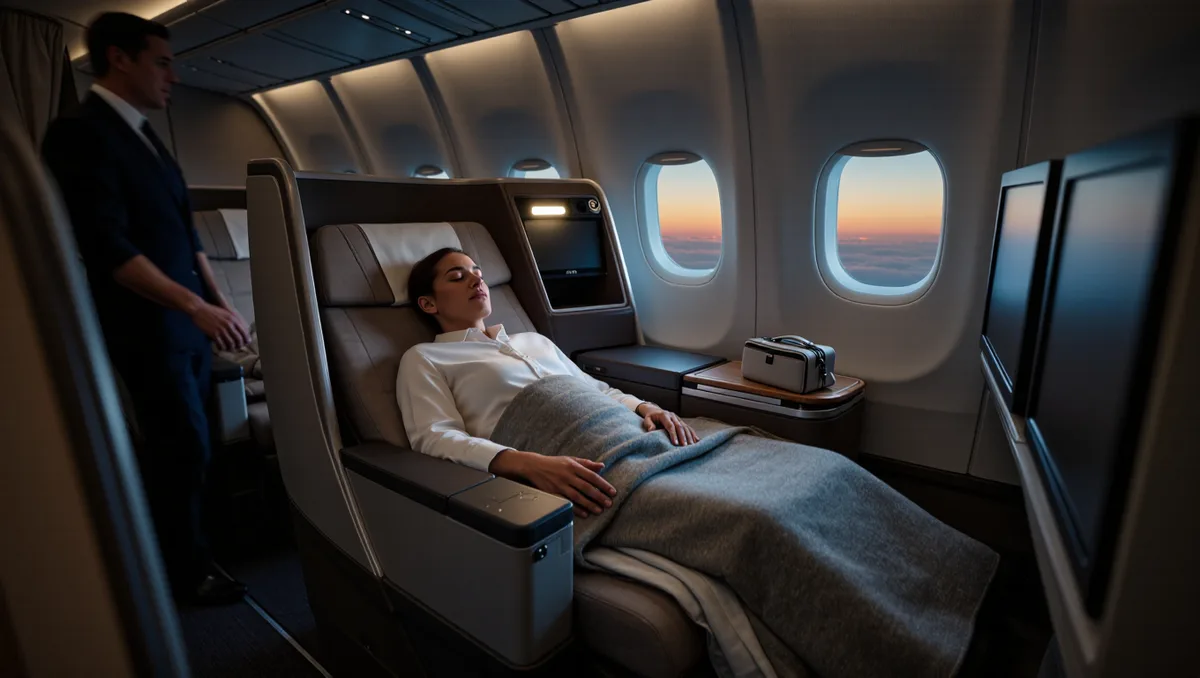
Lie-flat seats, lounge access and flexible tickets on South America's long-haul routes — what the premium cabin actually delivers, and when the fare makes sense.
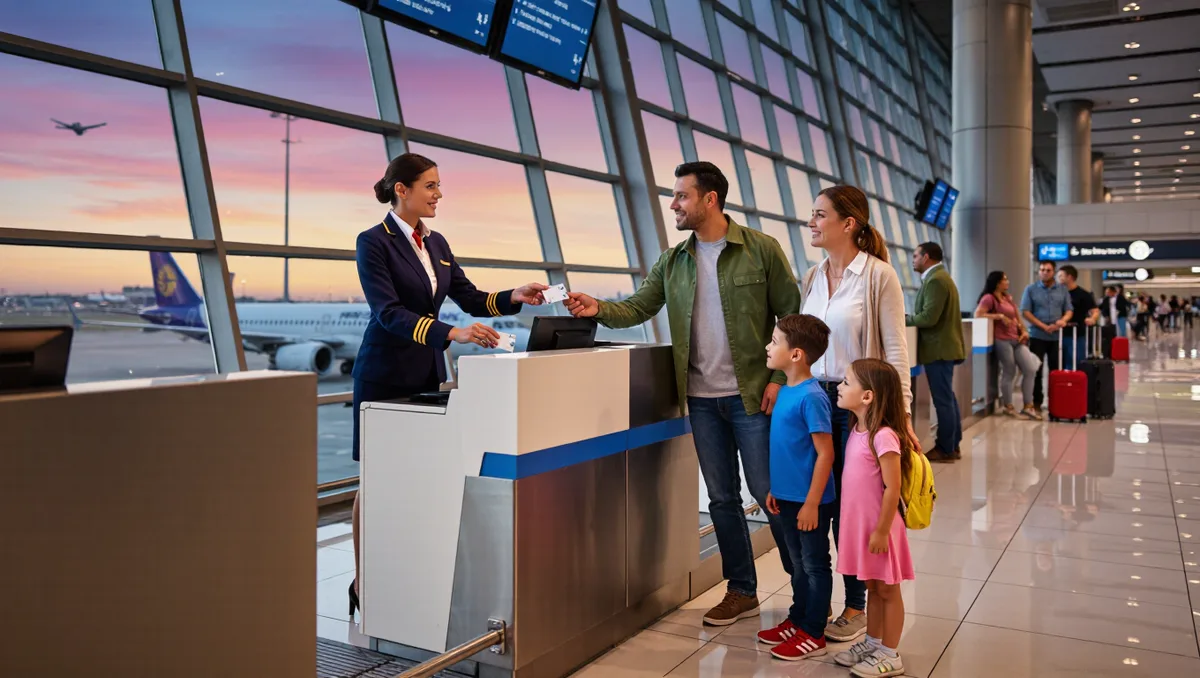
Three carriers dominate the region's skies. The right one depends on where you fly, not on which name is biggest.
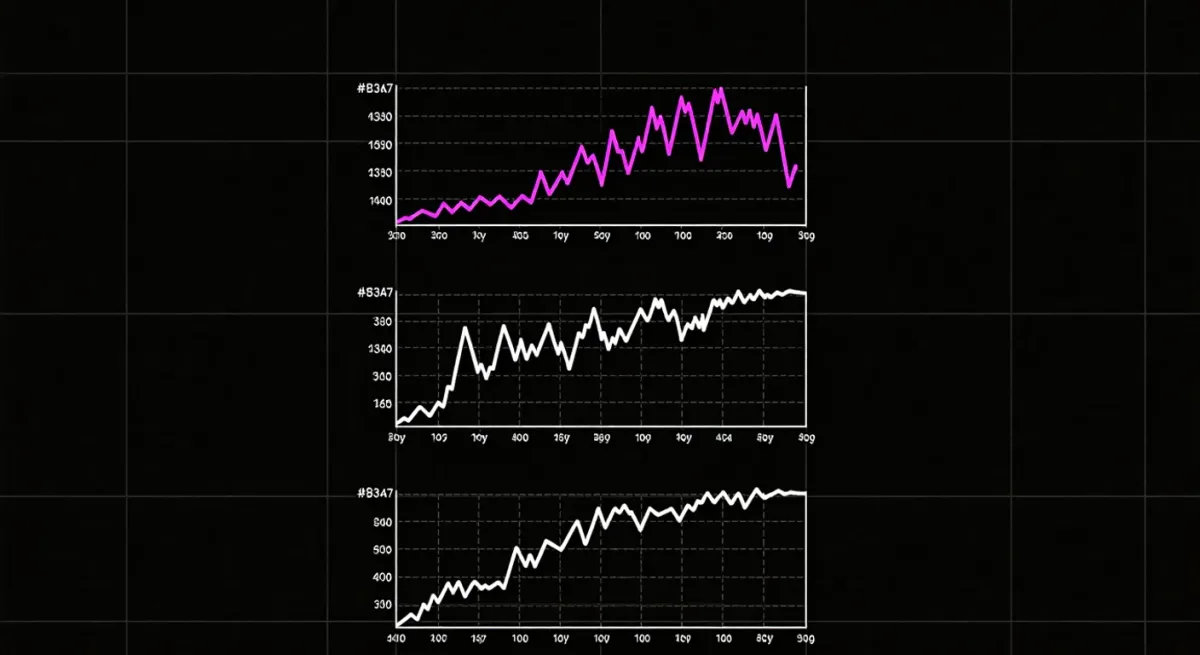
Chile, Peru and Mexico eased into 2024-2026 while the Fed waited; Brazil re-tightened to 15 percent instead. One region, two monetary doctrines.
Nearly 635 million people speak Spanish, per the Cervantes yearbook, and Latin American Spanish shifts by country: seseo pronunciation, the Argentine voseo, and one shared standard guarded by 23 academies since 1951.
Born on Colombia's Caribbean coast, cumbia became Latin America's shared rhythm, rewired by Mexican sonideros and Buenos Aires barrios. Colombia now guards the root: Law 1701 of 2013 made the El Banco festival national heritage, with a 42nd edition set for 2026.
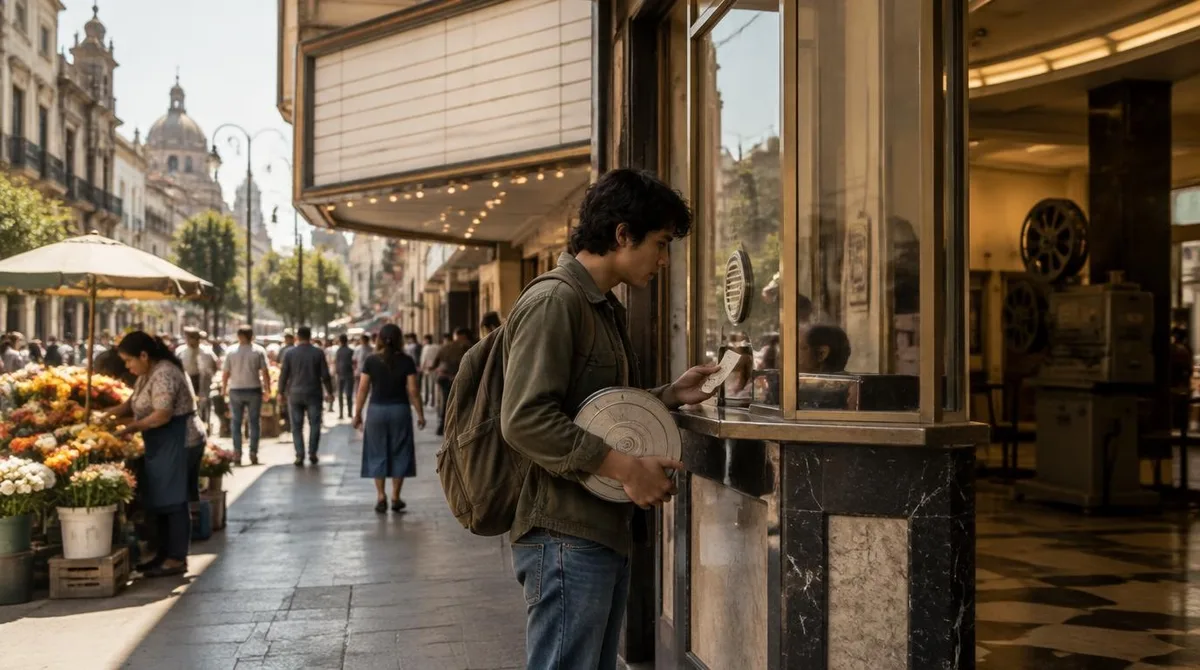
A starting shelf of ten films from Mexico, Argentina and Brazil, chosen for where they take a first-time viewer.
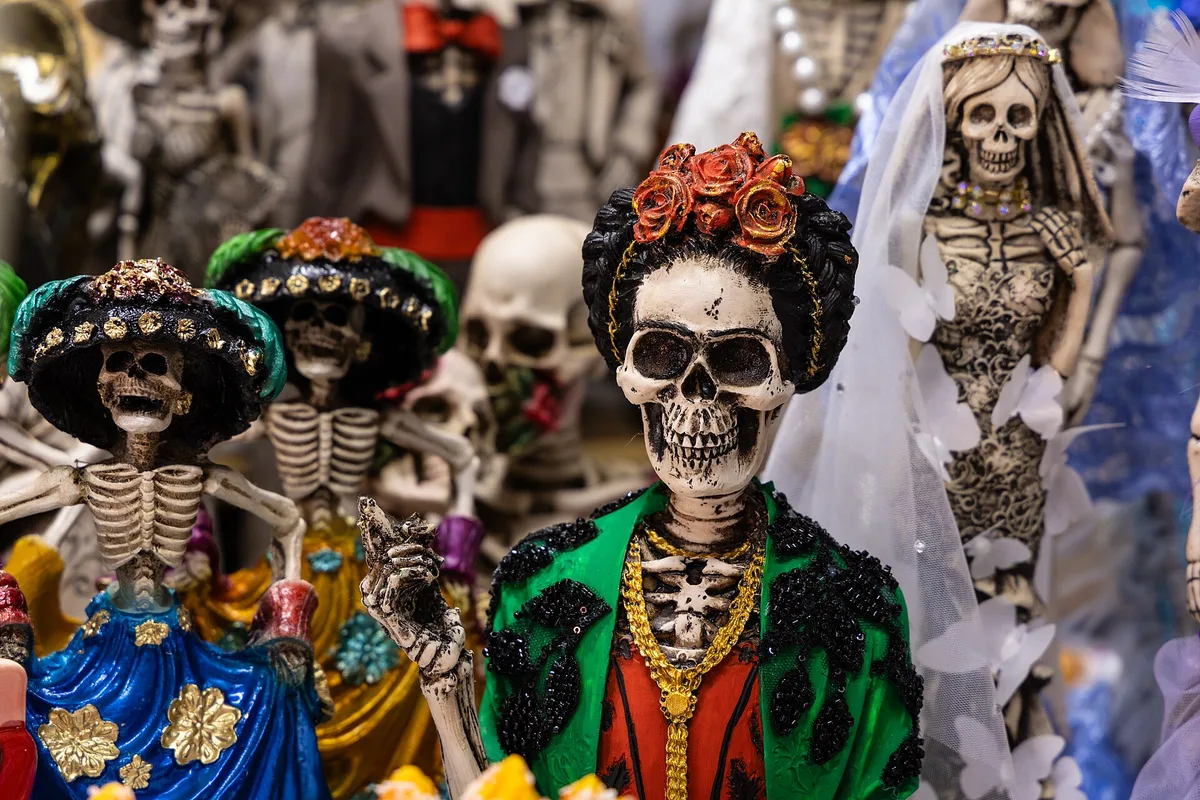
Born in Coyoacán in 1907, Frida Kahlo denied being a Surrealist, sold New York paintings in 1938 and entered the Louvre in 1939. The records tell it.