Brazil's next World Cup is a women's tournament, and its footprint is now fixed. FIFA named eight host cities for the 2027 Women's World Cup on 7 May 2025, with 64 matches set to run from 24 June to 25 July. Every arena on the list carried matches at the 2014 men's tournament. It is the first Women's World Cup ever placed in South America.
The men's 2026 final ended on 20 July with Spain beating Argentina in extra time, and attention has already shifted south. The Brazil World Cup of 2027 hands its host cities a concrete test. They must modernize arenas that debuted as World Cup venues thirteen years ago, then prove the event lifts the women's game across the continent.
Which Cities Made the 2027 List?
FIFA's announcement names eight cities and stadiums:
- Belo Horizonte, Estádio Mineirão
- Brasília, Estádio Nacional
- Fortaleza, Arena Castelão
- Porto Alegre, Estádio Beira-Rio
- Recife, Arena de Pernambuco
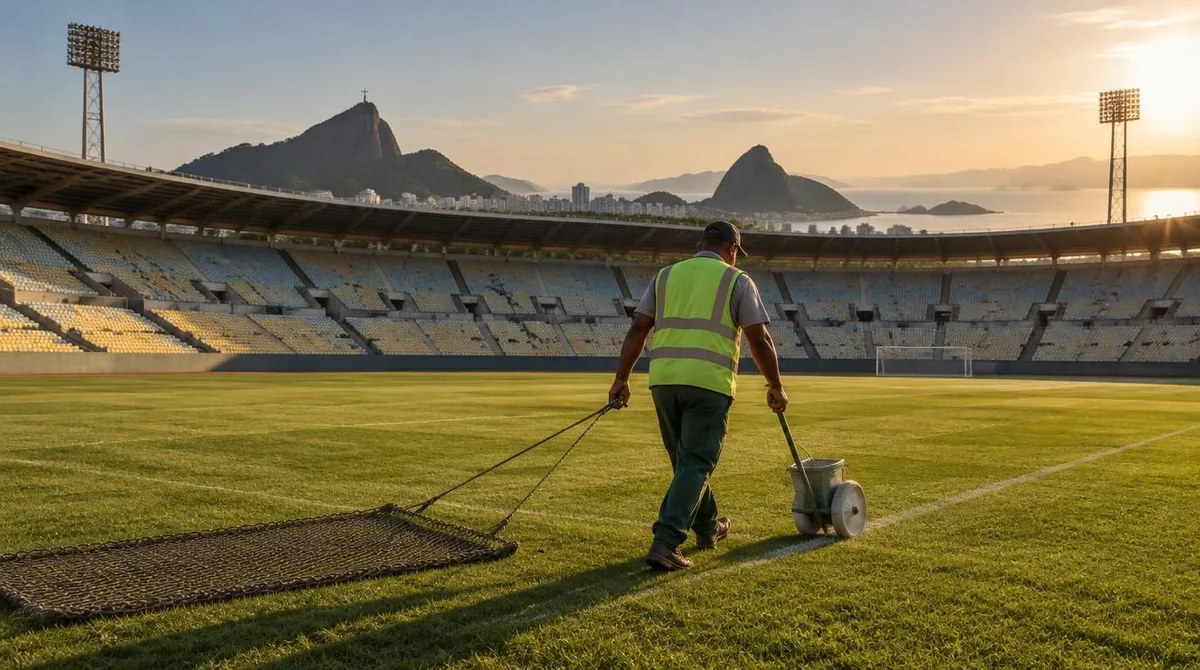
- Rio de Janeiro, Estádio do Maracanã
- Salvador, Arena Fonte Nova
- São Paulo, Arena Itaquera
Twelve cities entered the selection process, which opened in August 2024. FIFA's technical teams visited each one, and the federation agreed with the Brazilian government and the Brazilian Football Confederation on a maximum of eight hosts. Belém, Cuiabá, Manaus and Natal missed the cut, and the release thanks them by name. FIFA's overview also pairs each city with its population, from São Paulo at 11.4 million down to Porto Alegre at 1.3 million. The list reads like a map of the country's football belt, and each city already ran games in 2014, so operations crews know the grounds. Readers following this should also see Sao Paulo Travel — Exploring São Paulo: How to Take On Brazil's Megacity in One Week.
What Changes Inside the Stadiums?
Renovation work targets the 2014 hardware. Per the report in Época Negócios of July 2026, the selected stadiums will be modernized against their 2014 state with facial recognition and dynamic QR code technology. The upgrades touch entry flows as much as concrete. A gate that scans a face moves a crowd differently than a gate that checks paper tickets, and eight arenas will run those flows for a month straight. The same report notes one exception: Rio's Maracanã is the only arena of the eight that will not undergo works.
How Big Is the Tournament Set to Be?
The field runs to 32 teams across 64 matches. Aline Pellegrino, executive director for legacy and institutional relations at the local organizer known as FIFA27, set the match count in a statement reported in July 2026. Fourteen teams, Brazil included, had secured places as of that report. Eighteen spots remained open, The 32-team format mirrors the men's bracket, and a month of group-stage volume lands on eight cities at once. The final draw is expected by the end of 2026. Tickets were not yet on sale, though FIFA's site lets supporters register interest and receive notice by email.
What Does the Legacy Case Rest On?
Pellegrino's statement frames the tournament as a lever for the women's game, an event meant to grow the sport in the country and leave a legacy across the continent. FIFA's release makes the same test explicit, saying the eight cities were chosen to maximize the potential to drive long-term growth and visibility of women's football in Brazil. President Gianni Infantino promised, per the release, a major and widespread positive impact. The release also cites the event's potential to inspire new generations of players and fans across South America. The proof arrives with attendance figures, not with words.
Conclusion: What Brazil Watches Next
The next dates are concrete. FIFA experts have already begun operational planning in the eight cities, per the release, and the official tournament brand has since been unveiled. The final draw lands before the year is out and sets each city's group-stage slate. Ticket sales follow, the test that eight of these arenas last faced in 2014. This time the stands will fill for a women's tournament carrying 64 reasons to show up. We covered a connected angle in Inside the samba school: Rio's Carnival is a year-round industry.