If a pop song this year sounds like nothing you have heard before, there is a decent chance it borrows from Brazil. Funk carioca, also known as baile funk or Brazilian funk, is a hip hop-influenced genre from Rio de Janeiro. It takes cues from Miami bass and freestyle, and it has become one of the most exported sounds in Latin music. In Brazil it is simply called funk, though it shares almost nothing with American funk of the 1970s.
The genre's story runs from Rio's favela parties to charts across Europe and the United States. Understanding it means understanding its beat, its party culture and its many offshoots.
From Rio's Dance Floors
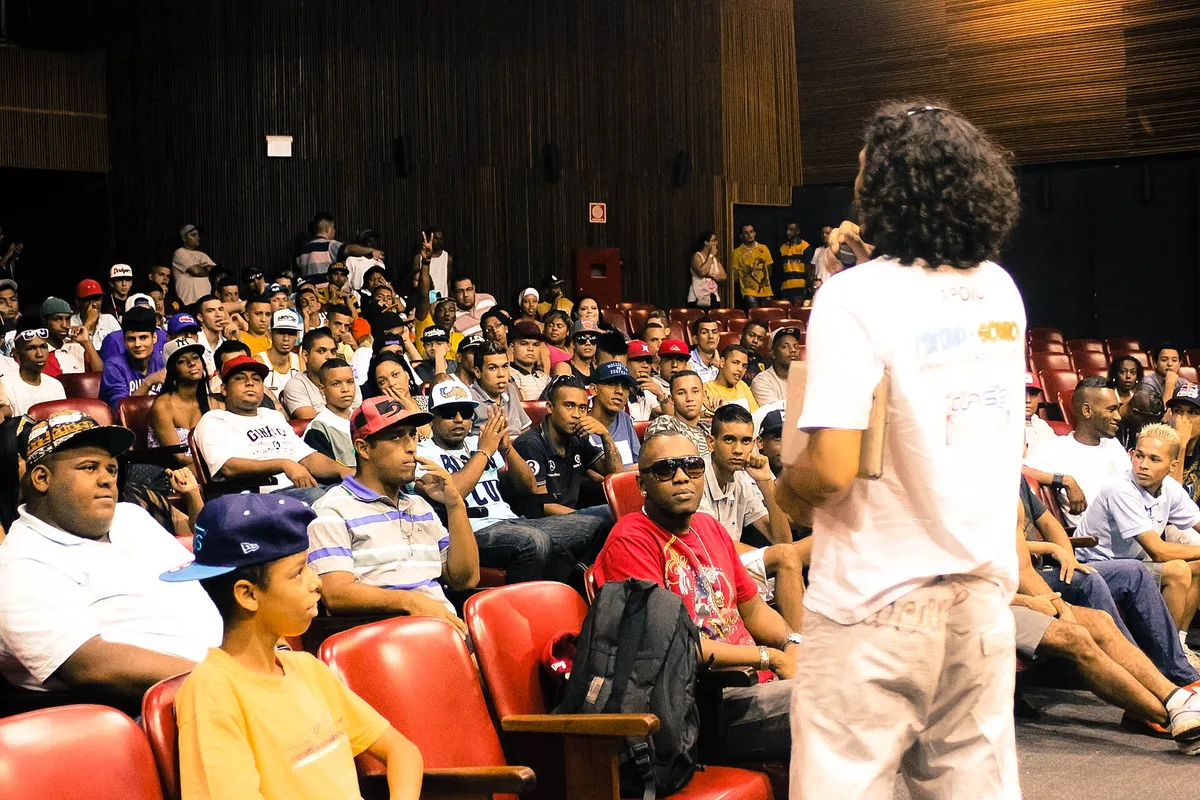
The roots reach back to the 1970s, when nightclubs in Rio de Janeiro played funk and soul records. In the 1980s, the audience split into two kinds of parties: baile charme, built on smooth contemporary R&B, and baile funk, built on fast dance music aimed at energetic dancing. Funk carioca was popularized in the 1980s in the city's favelas, its predominantly Afro-Brazilian working-class neighborhoods. From the mid-1990s onward it gained ground steadily, and it became a mainstream phenomenon in Brazil by the mid-2010s. Readers following this should also see Sertanejo stadiums, funk charts: Brazilian music's export decade.
According to DJ Marlboro, a pioneer of the genre, the main influence for its emergence was the single "Planet Rock" by Afrika Bambaataa and Soulsonic Force, released in 1982. Early tracks mostly looped electronic drums from Miami bass or freestyle records. Today the rhythms are mostly based on the tamborzão, a rolling, percussion-heavy pattern that defines the modern sound.
What the Music Says
Funk carioca has always been a voice for its home ground. Its songs discuss topics as varied as poverty, human dignity, racial pride, sex, violence and social injustice. Social analysts see the genre as a genuine expression of the severe social issues that burden the poor and Black communities of Rio.
The genre also draws real criticism inside Brazil. Lyrics are often sexually explicit, and some songs, in a style known as proibidão, glorify organized crime. Many popular artists record two versions of their songs: a gentler cut for radio and a harsher one for the dance halls. Both realities belong to the story. This connects to our earlier piece, How Brazil became the world's soybean superpower — and what it costs.
The Subgenres That Travel
Brazilian funk is a family of scenes, and each branch carries the beat somewhere new.
- Funk melody: electro-based tracks with a romantic approach, long powered by female artists such as Anitta.
- Funk ostentação: created in São Paulo in 2008, focused on aspiration and the new middle class.
- Brega funk: from Recife in the early 2010s, with polished synth sounds and pitched metallic snare drums called caixas.
- Funk mandelão: a raw, minimalist São Paulo style of the late 2010s with its own fast arm-and-leg choreography.
- Funk automotivo: an aggressive bass style known abroad, loosely and often wrongly, as Brazilian phonk.
The range keeps widening. Rave funk mixes the genre with electronic music, and its reach now includes collaborations such as "São Paulo," a 2024 track pairing Anitta with the Canadian star The Weeknd.
How It Conquered the World
Until 2000, funk carioca was mostly a regional phenomenon. Then Europe began to notice. Tracks appeared on non-Brazilian labels from 2001, and in 2003 the tune "Quem Que Caguetou (Follow Me Follow Me)" by Black Alien and Speed spread through a European sports car commercial. In 2005, the artist M.I.A. brought the sound to mainstream pop with "Bucky Done Gun," which also lifted the profile of the American DJ Diplo, an early champion. Compilations on labels such as Mr Bongo and Man Recordings carried the beat into clubs worldwide.
Today the traffic runs both ways. Global pop producers sample the tamborzão, and Brazilian artists headline festivals abroad. The beat that grew in Rio's bailes now shapes dance floors from Mexico City to Berlin.
Conclusion
Brazilian funk is more than a trend. It is a half-century of party culture, community pride and reinvention compressed into a hypnotic beat. Listen for the tamborzão underneath the surface, and you will hear it everywhere in modern pop. The sound born in Rio's favelas has become a shared language, and it is still writing new verses.