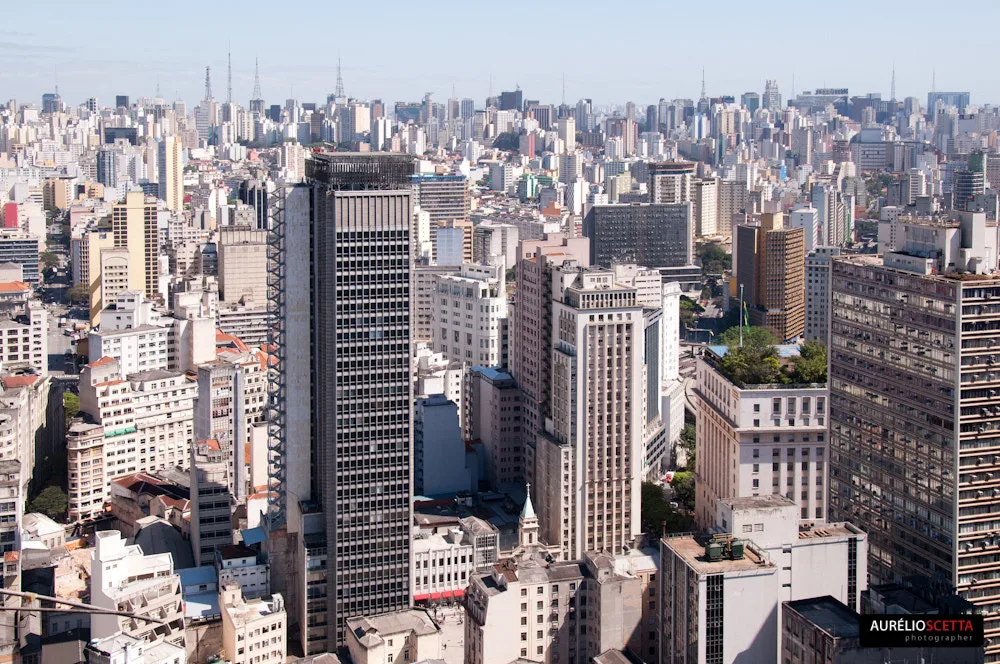
São Paulo rewards visitors who slow down. Brazil's biggest city is too large to see in a week, so the goal is not to see it all. The goal is to pick a few neighborhoods, learn how they connect, and leave room to rest. That is how to tackle a megacity without burning out.
The mistake most first-time visitors make is treating the city like a list of attractions. São Paulo does not work that way. It works as a set of districts, each with its own food, pace and personality. Build the week around districts, not landmarks, and the city becomes manageable.
Merriam-Webster defines exploring as traveling over new territory for discovery, and also as becoming familiar by testing. Both meanings matter here. São Paulo is best discovered by testing small routes on foot, one neighborhood at a time, rather than crossing the whole metro area each day.
This guide lays out a seven-day shape for sao paulo travel: where to base yourself, how to group the days, what to skip, and how to keep energy up. It is a framework, not a schedule. Adjust it to the season, the budget and the legs available.
Where should a first-time visitor stay in São Paulo?
Stay central, within walking distance of food and metro stops. The neighborhoods around Avenida Paulista, Jardins and Pinheiros are the usual picks because they put restaurants, cafés and transit close together. A central base cuts commuting time, and commuting time is what burns visitors out in a city this size.
The city's metro is the practical spine. It is cleaner and easier to navigate than most visitors expect, and it connects the main districts a tourist will use. Taxis and ride apps fill the gaps, especially at night. Traffic is heavy at peak hours, so a day built around a car ride across town can lose hours. Plan each day so the destinations sit on the same side of the city.
A good rule: pick accommodation near a metro station, then pick each day's destinations so they are one or two metro lines away. That single rule does more for a São Paulo week than any attraction list.
How should the week be grouped?
Group days by area, not by theme. Two sights on opposite ends of the city are not the same day; they are two half-days separated by an hour of traffic. The week below groups the city into four zones plus two lighter days. Readers following this should also see Four-dollar coffee: how Brazil's weather became a global price.
- Days 1–2: the historic center. The old downtown carries the city's founding architecture, its markets and its street life. Go in daylight, walk the main blocks, and finish early.
- Days 3–4: Paulista and gardens. Avenida Paulista is the city's spine, lined with museums and parks. The adjacent garden districts are calmer, with shaded streets and good restaurants.
- Days 5–6: the west side. Pinheiros and Vila Madalena hold the galleries, the street art and the nightlife. This is the district where visitors tend to linger longest.
- Day 7: recovery and one pick. A park, a market or a single museum. Nothing more.
That shape leaves two lighter days inside a seven-day trip. That is deliberate. A megacity week that schedules every day at full strength usually collapses by day four.
What is worth seeing, and what can wait?
The city's strengths are food, art and street life, not a single postcard view. São Paulo has few classic postcard sights, and that surprises visitors. The value is in the density: restaurants from every immigrant community, museums of real quality, and neighborhoods that change character block by block.
Food is the headline. The city's dining scene runs from street vendors to kitchens with global reputations, and the municipal market is the classic stop for a mid-morning pastel and a mortadella sandwich the size of a plate. Book the restaurants that require booking; walk into the ones that do not. Both experiences matter.
Art is the second strength. The museum on Paulista is the iconic one, but smaller galleries in Vila Madalena and the west side often leave a stronger impression. Street art in the alleyways there is a destination in itself, and it costs nothing.
What can wait: anything that requires a long car trip for a short visit. Day trips to the coast are tempting, but they eat a full day each way in traffic. On a one-week trip, they are usually the wrong trade. Save them for a second visit.
How do you avoid burning out in a megacity?
Budget energy like money. The city is intense: loud, big, and full of stimulation. Visitors who plan like they would for a mid-sized city run out by midweek. Three habits keep the week intact.
- One anchor per day. Pick a single main destination, then let the rest of the day fill in around it. Two anchors is the hard maximum.
- Stop for meals. São Paulo's café and lunch culture is a feature, not a delay. A long lunch is recovery time that happens to be excellent.
- Build in a rain plan. The weather turns quickly. Have one indoor option ready for each zone so a storm does not force a scramble.
Safety habits are ordinary city habits: carry only what the day needs, keep phones out of sight on the street, and ask staff at the hotel which blocks to avoid after dark. That advice applies to most large cities, and São Paulo is no exception. It does not require special measures, just consistency.
Language helps more than visitors expect. Portuguese is the city's language, and English is not universal. A handful of phrases — greetings, please, thank you, the bill — change the texture of every interaction. Staff in restaurants and hotels generally help visitors who try.
What does a week in São Paulo actually cost a visitor?
Costs vary with the neighborhood and the appetite, and no single figure fits every trip. The honest framing: the city spans a wide range, from street food and free parks to some of the priciest dining in the hemisphere, and the visitor chooses where on that range each day sits. A week built around markets, metro rides and casual restaurants costs a fraction of one built around fine dining and ride apps.
Two levers matter most. First, the base: a central apartment with a kitchen shifts spending from restaurants to markets. Second, transit: a metro-based week is far cheaper than a ride-app week, and usually faster during peak hours.
What the week should not include, on a first visit, is a checklist mentality. The city will still be there. São Paulo is a return-trip city, and the visitors who enjoy it most are the ones who accept that one week covers one slice.
What this means for your first São Paulo week
The evidence of every experienced visitor points the same way: São Paulo is taken in slices, and the slices are neighborhoods. Base centrally, group days by zone, keep one anchor per day, and protect two light days. The food and the art will do the rest.
For readers building a wider Brazil itinerary, the country's business and culture coverage lives on the Brazil desk, and the creative side of the economy — from stadiums to charts — is traced in Brazilian music's export decade. São Paulo sits at the center of both stories: it is where the money is raised and where the tours are booked. Understanding the city, even one slice of it, explains a lot about the country. We covered a connected angle in Sertanejo stadiums, funk charts: Brazilian music's export decade.
The city's next big test is always the next season of openings, matches and festivals. The week described here is the preparation for that: arrive rested, move by zone, and let the megacity set the pace instead of fighting it. That is the whole trick.
Sources: dictionary.cambridge.org · merriam-webster.com · thefreedictionary.com