Mexico City rewards the traveler who plans a little and wanders a lot. It is huge, high, and layered with history, and it can swallow a first visit whole if you arrive blind. A few basics go a very long way.
The capital sits in the Valley of Mexico at 2,240 meters above sea level, per Wikipedia's article on the city, on the old lake bed where the Aztec capital of Tenochtitlan once stood. Give yourself a slow first day. The city opens up fast after that.
Get your bearings first
Mexico City is the capital and largest city of Mexico, and the most populous city in North America, according to Wikipedia. The proper city counted 9,209,944 people in the 2020 census, and the wider metro area holds over 21 million, according to the same record. Do not try to see it all. Pick a base and go deep. We covered a connected angle in The world's silver runs through Mexico — and one company mines most of it.
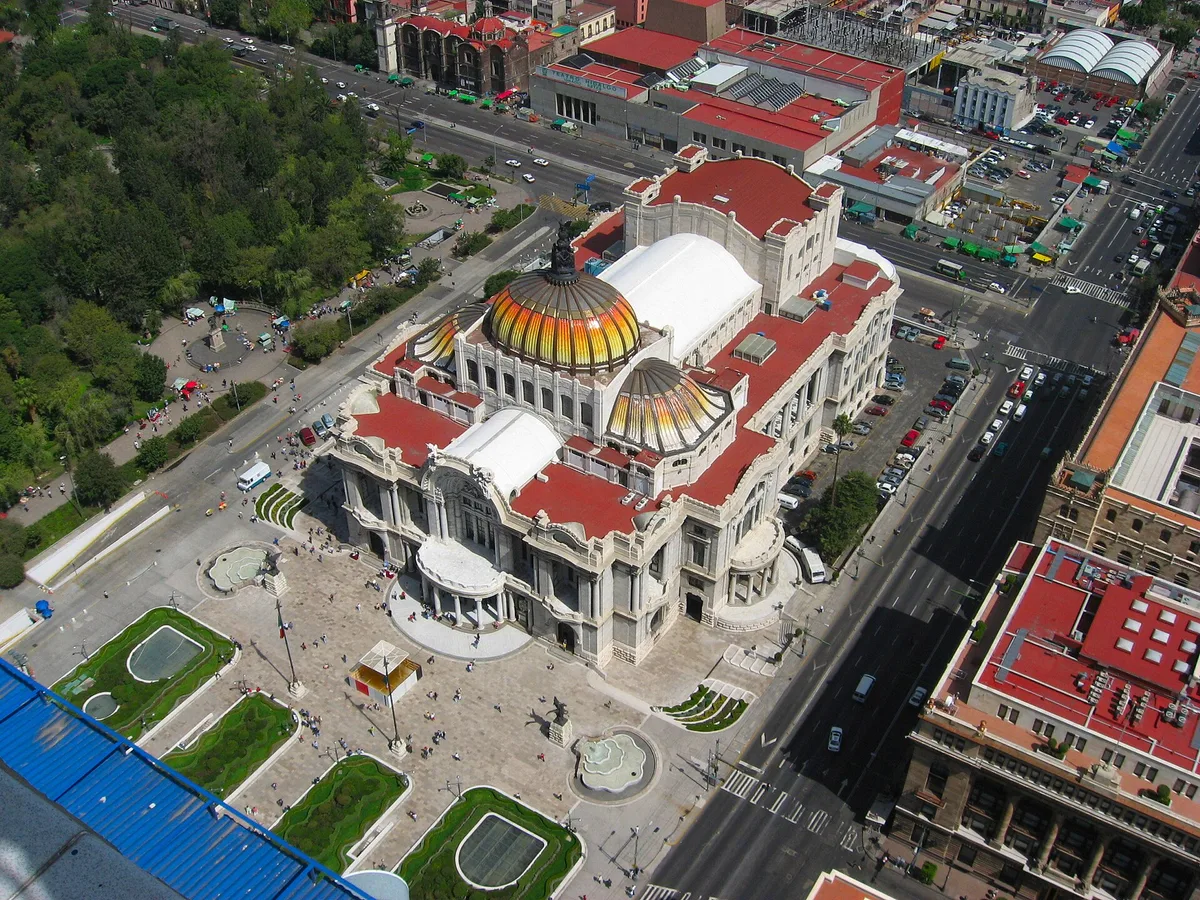
The city is divided into 16 boroughs, called alcaldías, which break down further into neighborhoods known as colonias, per Wikipedia. It began as Tenochtitlan, founded around 1325 on islands in Lake Texcoco, and it is the oldest capital city in the Americas, per Wikipedia. Start at the Zócalo, the vast main square, with the old cathedral close by. Almost every visit in this city's history has started exactly there.
Four easy areas to anchor your trip
The Historic center puts you steps from the Zócalo and from museums housed in old palaces. Coyoacán is slower and leafier, and Frida Kahlo's house museum draws visitors from around the world, per Wikipedia. Both areas reward plain walking more than any tour.
Polanco serves the museum crowd. The Museo Soumaya there holds the largest private collection of Rodin sculptures outside France, according to Wikipedia. Roma is the walkable café district, and the writer William S. Burroughs once lived in Colonia Roma, per the same source. For a change of pace, the Tren Ligero light rail runs south from Tasqueña station toward Xochimilco in the far south of the city.
Getting around without a car
Leave the car behind. The Metro is the largest system in Latin America, with 12 lines and 195 stations moving about 4.4 million riders every day, per Wikipedia's transportation notes. Trains are cheap, signs are clear, and the network reaches almost everywhere a visitor goes.
Surface options fill the gaps. The Metrobús rapid transit network runs seven routes along big corridors such as Paseo de la Reforma, according to Wikipedia. Cable cars known as the Cablebús have served the hillier southern areas since 2021, per the same source. The city has also rolled out a single payment card, under its integrated mobility branding, to smooth fares across modes. The Ecobici bike share stretches from the Historic center to Polanco. Flying in, you have three airports: main MEX in the Venustiano Carranza borough, NLU to the north with a rail link from Buenavista station, and TLC out west near Toluca, according to Wikipedia.
Eat first, museum second
Street food is the point here. Tacos were once considered plebeian fare, yet by the 19th century they were already a standard of the city's cuisine, with tacos de barbacoa the filling that shows up most in the old records, per Wikipedia. Follow the longest local line. It usually knows something.
The city eats well at every level. Restaurants cover the regional cuisines of all 31 Mexican states, per Wikipedia, and the La Nueva Viga market is the second largest seafood market in the world, according to the same source. Fine dining holds its own too: Pujol ranked 13th on the 2023 World's 50 Best list, and seven restaurants in the city received Michelin stars in 2024, per Wikipedia. Most museums open Tuesday to Sunday from 10am to 5pm, and entrance to most is free on Sundays, per the same record. Readers following this should also see Oaxaca in Seven Dishes: A Regional Food Primer.
Conclusion: Take the slow first day
Mexico City does not ask you to conquer it. It asks you to taste it, ride it, and let the altitude set your pace. Start at the Zócalo, learn the payment card, queue for the barbacoa, and save one afternoon for a museum or for Xochimilco in the south. Do that, and the biggest city in North America will start to feel like a place you already know.