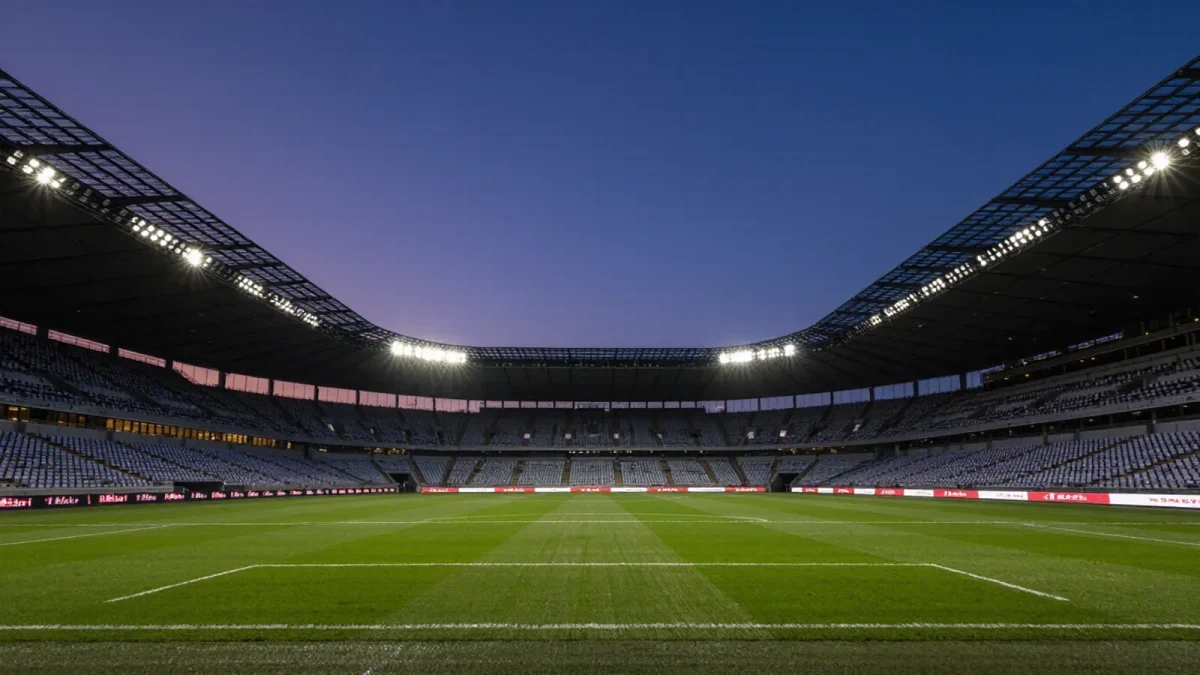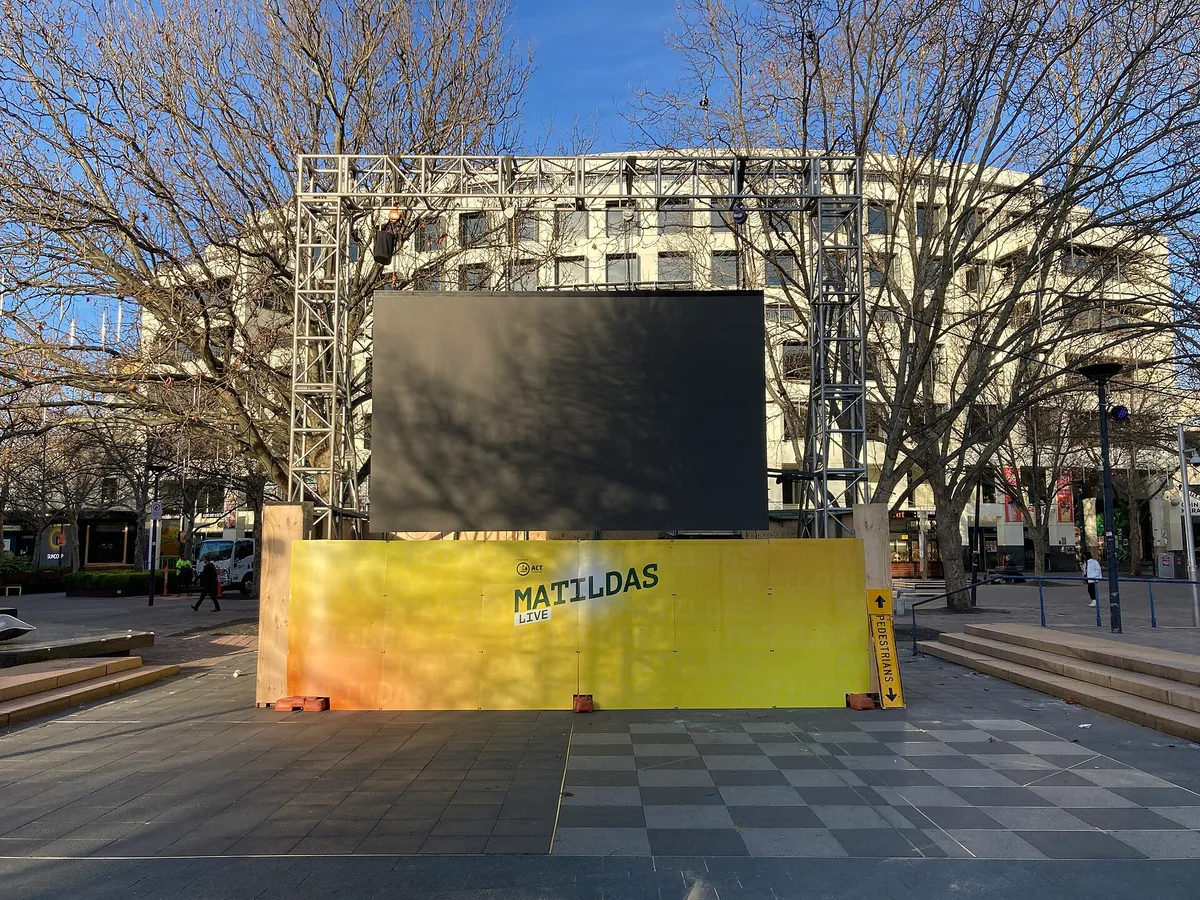
A record 6,810,966 spectators moved through World Cup stadiums in the summer of 2026, per the tournament's compiled attendance record, and Mexico anchored the opening act. The country staged the first match at Estadio Azteca on June 11 and hosted 13 matches in total. Reading a Mexico World Cup schedule stopped being a niche skill. One missed kickoff window could strand a trip, and the sheet itself became part of the event.
The 2026 edition spread across three countries and 16 cities, with 48 teams playing 104 matches. For Mexican supporters the calendar carried a rare feature: every group match the Selección Nacional played stayed on home soil. A single kickoff time could decide where a day started and when it ended.
What Changed in the Format for 2026
The tournament grew from 64 matches to 104, and that expansion rewrote every line of the schedule. The FIFA Council approved the structure on March 14, 2023. Forty-eight teams entered, split into 12 groups of 4. The top two in each group advanced, and the 8 best third-place teams joined them in a round of 32, a knockout stage the World Cup had never used before.
One reading detail mattered more than the rest. A team sitting third in its group was no longer finished. Tables demanded a second scan, because a third-place side could survive into the knockout rounds. That single rule kept more groups alive deeper into the final match days, and it made the printed standings worth reading twice.
How the Schedule Sorts Host Cities Into Regions
The schedule divides the 16 host cities into three travel regions, and those labels do real work:
- Western: Vancouver, Seattle, the San Francisco Bay Area, Los Angeles
- Central: Guadalajara, Mexico City, Monterrey, Houston, Dallas, Kansas City
- Eastern: Atlanta, Miami, Toronto, Boston, Philadelphia, New York and New Jersey
Even with that clustering, about half of the teams still played matches in two different regions, per the tournament record. For Mexico the Central cluster kept travel short. The national team worked out of the region that holds its three home venues, from Guadalajara's stadium in the west to the capital and north to Monterrey. For related coverage, see Inside the Jersey: Why Mexico Kits Sell Out Every Tournament.
Where Mexico's Matches Sat in the Calendar
Mexico played all three group matches on home soil, and the route through the paperwork was published early. FIFA released the bare schedule, without group assignments, on February 4, 2024. The full version, with the draw filled in, followed on December 6, 2025. Mexico sat in Group A, a slot reserved before the draw for scheduling reasons. The opener landed at Estadio Azteca on June 11, which made the stadium the only one on earth to stage matches at three World Cups, after 1970 and 1986. We covered a connected angle in The world's silver runs through Mexico — and one company mines most of it.
The load split unevenly across the three hosts. The United States staged 78 matches, including every round from the quarterfinals to the July 19 final at MetLife Stadium in East Rutherford, where Spain claimed its second title. Mexico and Canada hosted 13 matches each. The compiled record, from the February 2024 skeleton to the final whistle, is collected here.
Conclusion: Where Mexico's Schedule Goes Next
The next fixed date sits in November, when Mexico meets Jamaica in a Concacaf Nations League quarterfinal. Per the Federación Mexicana de Fútbol, the return leg is set for November 17 at Estadio Monterrey, and it will be the first official match for the national team at that ground. The federation has opened a Banorte pre-sale for the fixture, a signal of how fast the post-World Cup market arrived.
The federation's announcement frames the quarterfinal as a first for a squad that just closed a home World Cup. The habit the 2026 schedule taught still holds: check the group letter and the travel region before any local kickoff time. The next draw, for 2030, will start the same way.